
Shiraz: Where Poetry Lives in Gardens and Ancient Kings Sleep in Stone
- 22 November 2025
- امیرحسین عباسی

The air in Shiraz carries something you cannot quite name at first—perhaps it is the scent of orange blossoms drifting from hidden courtyards, or the weight of centuries pressing gently against modern life. This city in southwestern Iran does not announce itself with noise or urgency. Instead, it reveals itself slowly, like the intricate patterns emerging from a Persian carpet when you finally stand close enough to understand its design.
For travelers seeking substance beneath the surface of a destination, Shiraz offers a particular kind of richness. This is the city that gave the world Hafez and Saadi, poets whose verses Iranians still recite at weddings and funerals alike. It is a place where Iran tourism finds one of its most compelling narratives—not through grand proclamations, but through the accumulated details of daily life played out against a backdrop of extraordinary history.
The Persian Architecture in Shiraz City That Defines an Empire
When you first encounter the Arg of Karim Khan, the eighteenth-century citadel standing in the heart of the city, you begin to understand how Persian architecture in Shiraz City serves as both a monument and a conversation partner. The fortress walls lean slightly inward, a design intended to withstand earthquakes in this seismically active region. Local tradition holds that Karim Khan refused to call his residence a palace, insisting it remain an arg—a citadel—because he saw himself as the people's representative rather than their ruler.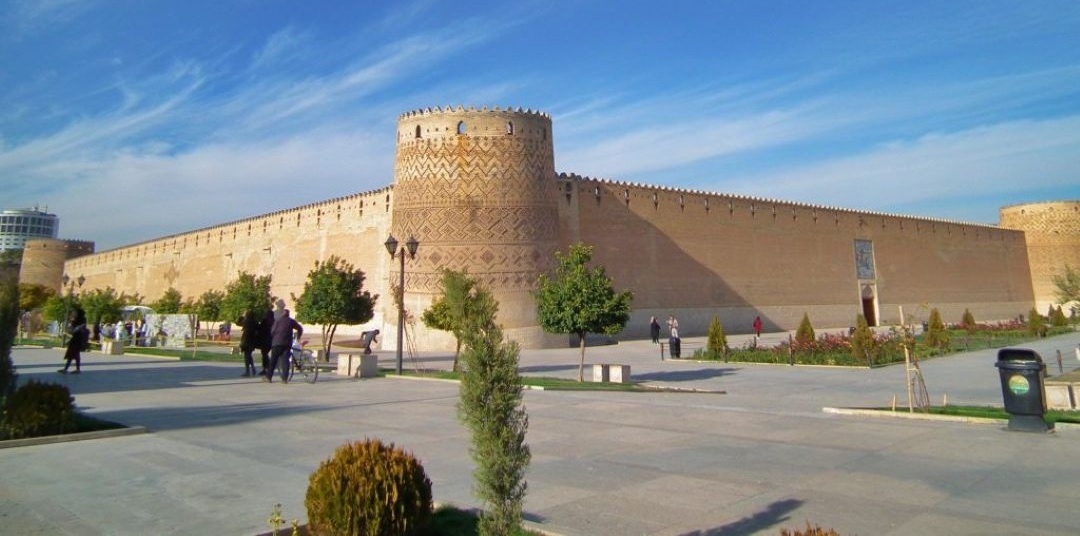
The Nasir al-Mulk Mosque, completed in 1888, demonstrates another dimension entirely. Most visitors arrive early, before the city fully awakens, to witness the morning light streaming through stained glass windows and scattering kaleidoscopic patterns across the prayer hall's interior columns and carpets. The effect lasts perhaps two hours before the sun climbs too high, but during that window, the space transforms into something that feels less like architecture and more like an argument for the divine rendered in color and geometry.
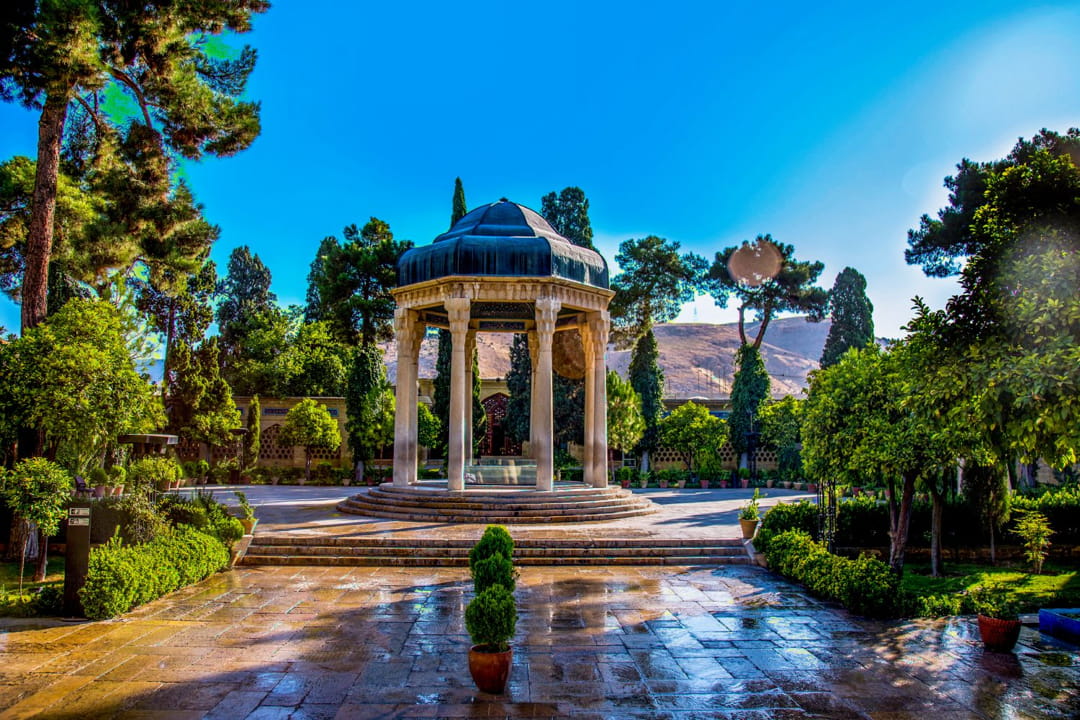
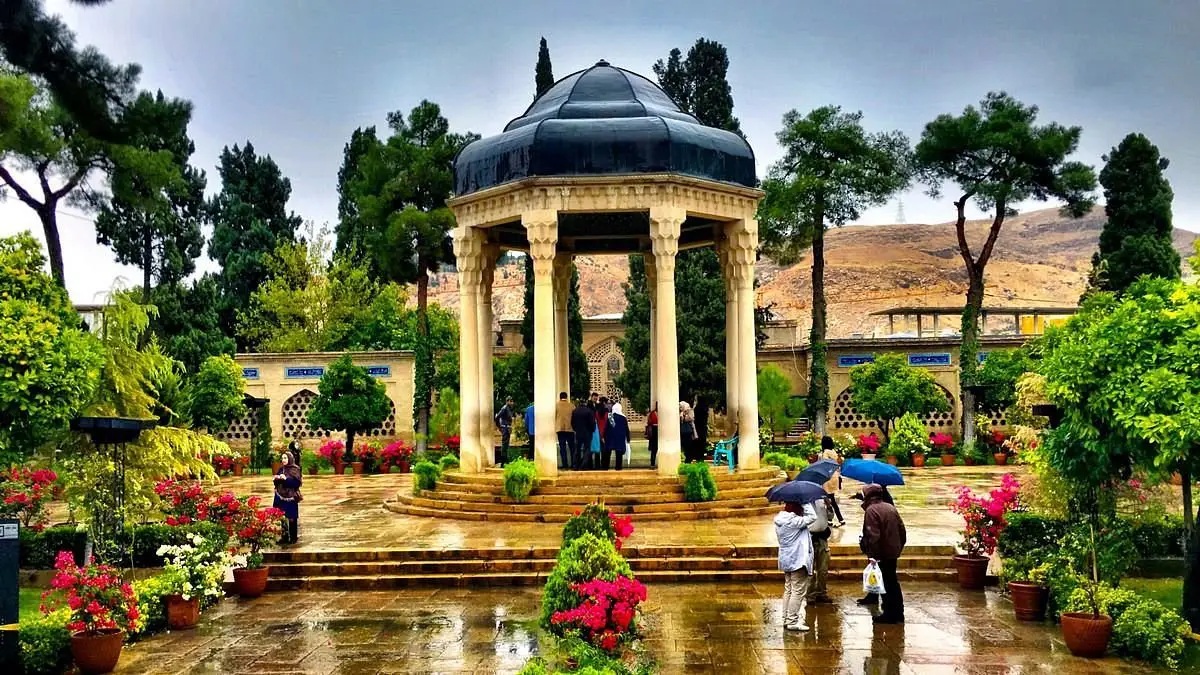
Persian architecture in Shiraz City reaches perhaps its most refined expression in the tomb of Hafez, where the poet rests beneath a copper dome supported by eight columns. Iranians practice bibliomancy here, opening Hafez's collected works at random to receive guidance for their questions. Watch long enough and you will see teenagers seeking romantic advice, elderly couples marking anniversaries, and tourists trying to photograph something that ultimately resists capture—not the structure itself, but what it means to the people who visit it.
Gardens That Taught the World About Paradise
The word "paradise" derives from the Old Persian pairi-daeza, meaning an enclosed garden. In Shiraz, this is not merely etymological trivia but a lived reality. The Eram Garden, now managed by Shiraz University, dates to the Seljuk period, though its current configuration reflects nineteenth-century Qajar sensibilities. Towering cypresses line pathways where water channels follow mathematical precision, creating microclimates where the temperature drops noticeably as you move deeper into the garden's heart.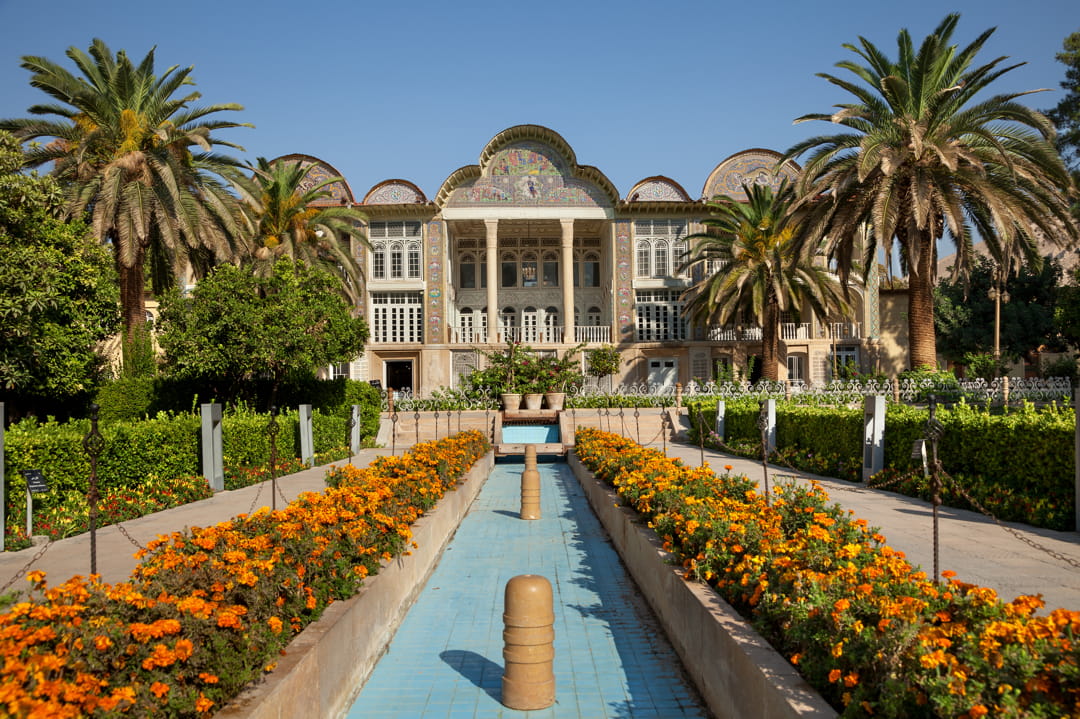
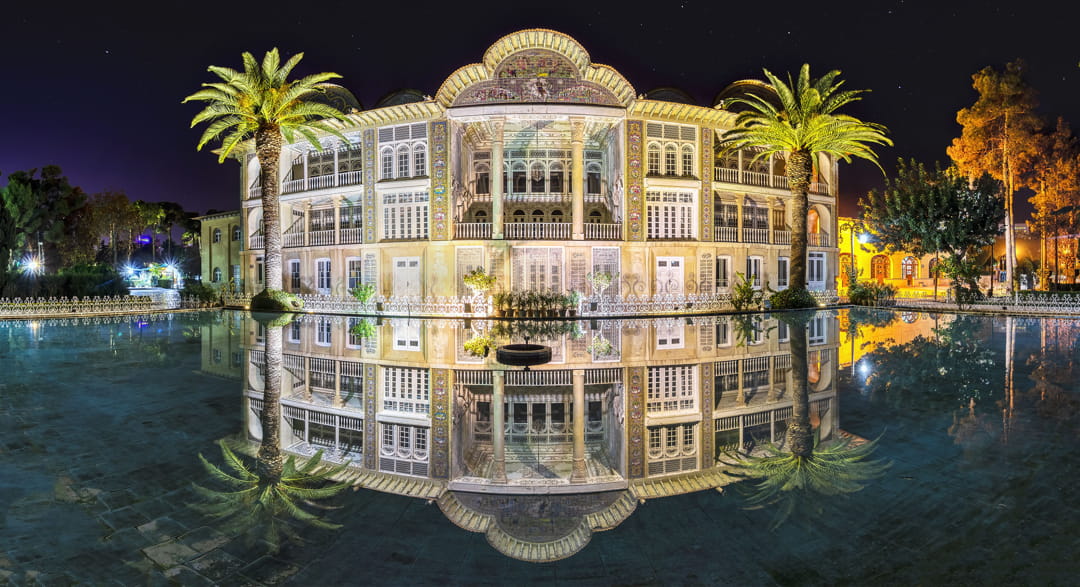
At Bagh-e Narenjestan, the Garden of Orange Trees, you encounter something more intimate. This nineteenth-century estate belonged to a Qajar-era merchant family, and its proportions feel deliberately human-scaled rather than imperial. The building's facade features intricate tile work depicting European figures alongside traditional Persian motifs—a reminder that Shiraz sat along trade routes where ideas traveled alongside goods. Inside, mirrors cover entire walls in a technique called āina-kāri, fragmenting and multiplying light until rooms seem to extend into infinity.
These gardens were not designed for passive appreciation but for specific activities like poetry readings, philosophical discussions, and social gatherings where the boundaries between aesthetic experience and daily life dissolved entirely. Today, they function similarly. Iranian families spread picnic blankets under the trees, and students study in the shade, while foreign visitors try to understand how a garden can be simultaneously an artwork, a social space, and a metaphysical statement.
Persepolis: The Stone Memory of Empire
Sixty kilometers northeast of Shiraz, Persepolis rises from the plain—or rather, what remains of it does. When Alexander's armies burned this ceremonial capital of the Achaemenid Empire in 330 BCE, they destroyed much but not everything. The stone columns still standing reach fifteen meters high. The relief carvings depict delegations from across the empire bringing tribute: Bactrians leading camels, Ethiopians carrying ivory, Armenians presenting vessels.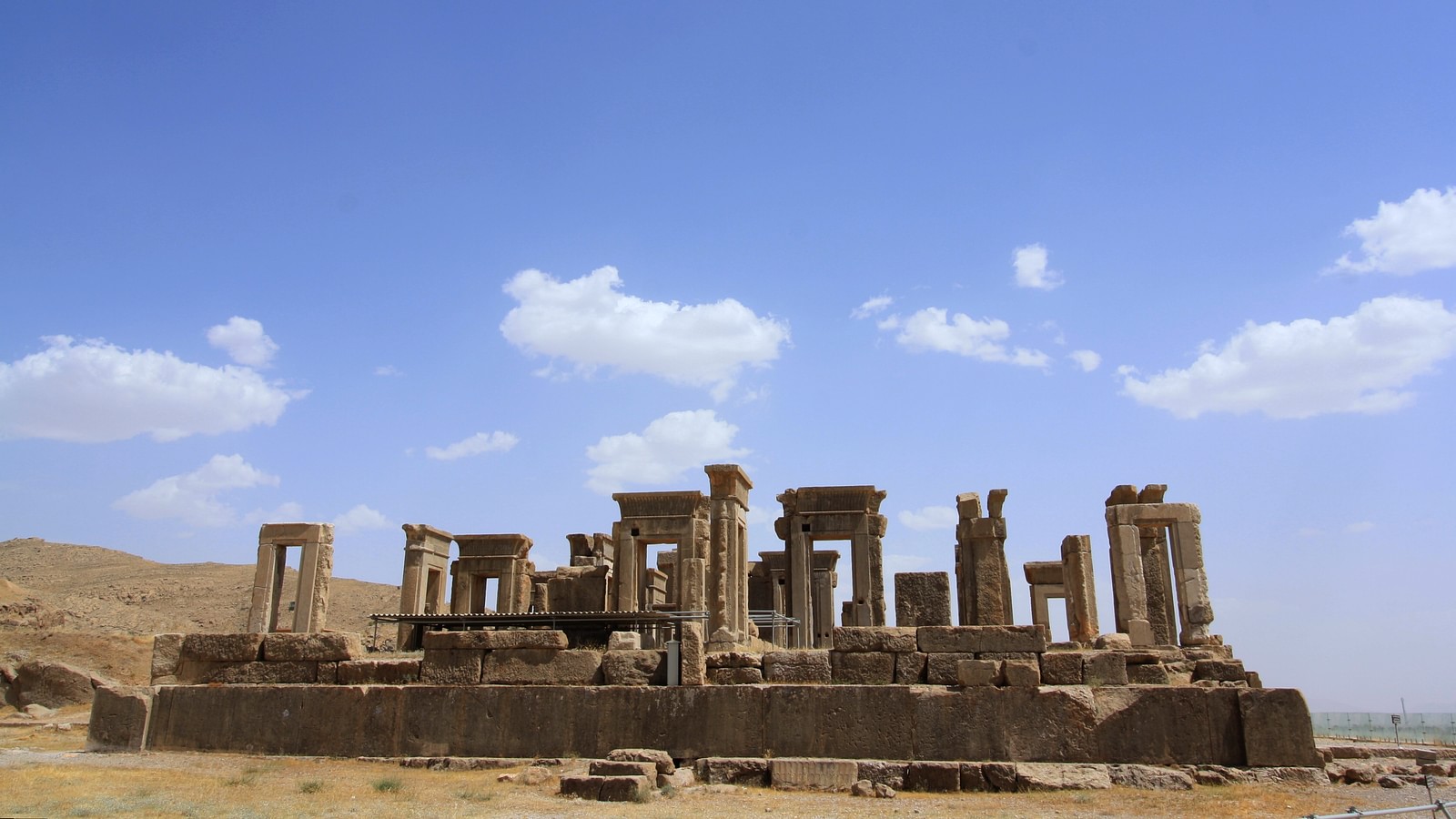
What strikes you at Persepolis is not merely the scale but the specificity. Each figure's clothing and features are rendered distinctly, suggesting an empire that at least claimed to honor its component parts rather than erase them. The Apadana staircase shows nobles holding hands—a gesture signifying equality rather than hierarchy. Whether this represented actual governance or imperial propaganda remains debatable, but the intention carved into stone speaks clearly enough.
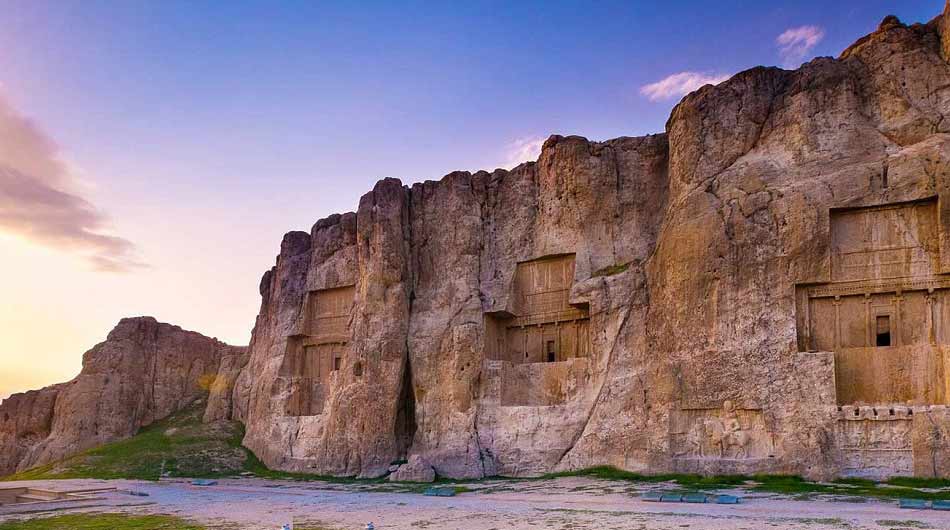
Nearby, Naqsh-e Rustam presents something older and stranger: four tombs cut directly into a cliff face for Achaemenid kings, their entrances designed as massive crosses reaching thirty meters high. Below these lie Sassanian-era reliefs from centuries later, depicting coronation scenes and royal victories. The site layers different periods of Persian civilization on top of each other literally and visually, creating a vertical timeline where you can trace the evolution of artistic conventions across a millennium.
The Shiraz Accent and the Language of Hospitality
Iranians will tell you that Shirazi Persian sounds softer than the clipped Tehran dialect, that it retains more vowel sounds and follows older grammatical patterns. In practice, this means conversations often include interjections that might confuse outsiders—terms of endearment applied liberally to strangers, elaborate courtesy phrases that initially seem excessive.
This connects to taarof, the Persian custom of polite refusal and insistence that governs social interactions throughout Iran but takes distinctive forms in Shiraz. When a shopkeeper insists your purchase is worthless or that payment would insult him, he does not expect you to walk away with free goods. The dance involves knowing when to insist on paying and when to gracefully accept generosity. For travelers, understanding taarof means recognizing that surface meanings often invert—"I am your servant" from a taxi driver does not indicate servility but rather enacts a centuries-old script about mutual respect.
The local accent also appears in place names and poetry recitation. When Shirazis quote Hafez—which they do frequently and with minimal provocation—they emphasize different syllables than speakers from other regions, creating rhythmic variations that natives insist carry different emotional weight. Whether this holds true matters less than the fact that people believe it does, revealing how deeply this city identifies with its poetic heritage.
Practical Realities of a Shiraz Travel Guide
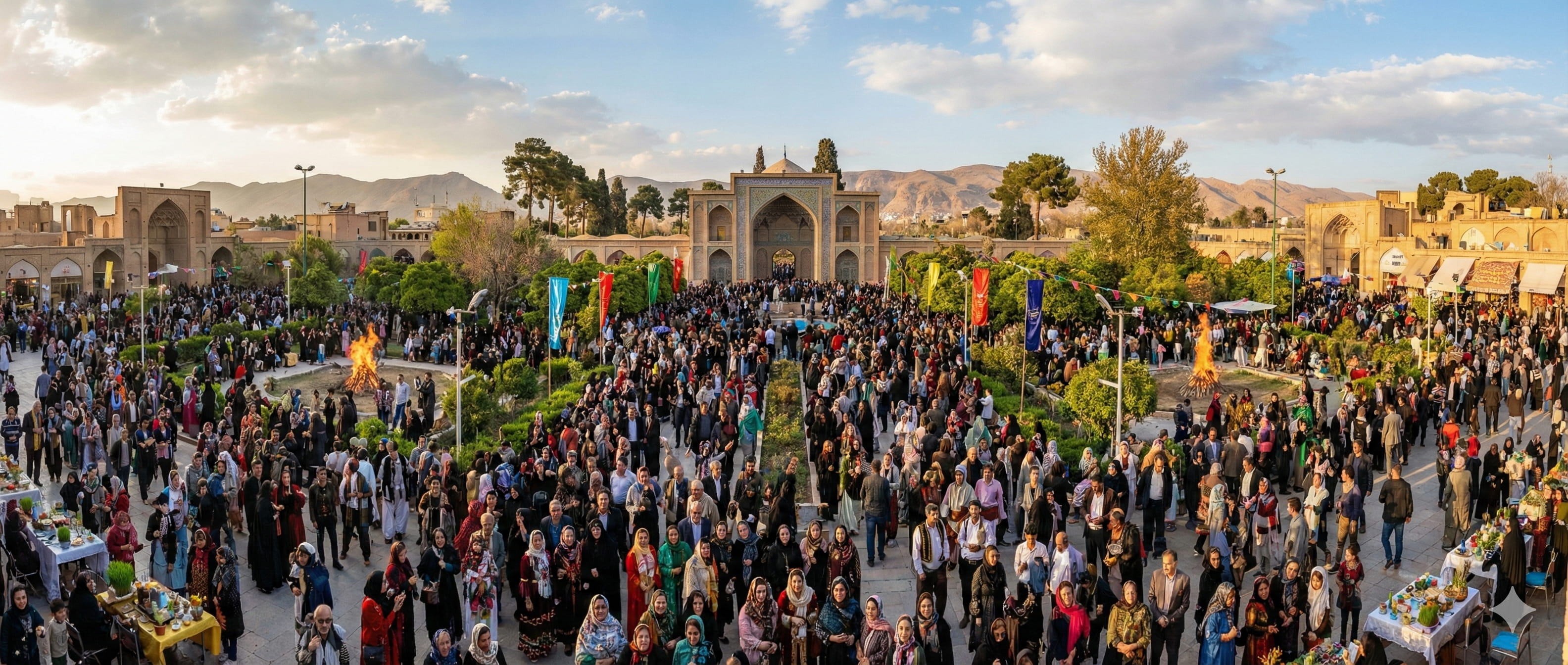
Spring arrives early in Shiraz, with March and April bringing moderate temperatures and the Nowruz holiday when Iranian families travel extensively. May creeps toward uncomfortable heat, with summer temperatures regularly exceeding 38 degrees Celsius. Autumn, particularly October and November, offers another favorable window before winter cold arrives—though "cold" remains relative, rarely dropping below freezing.
This Shiraz travel guide would be incomplete without addressing Iran's unique tourism infrastructure. International credit cards do not function here due to sanctions, meaning travelers must bring sufficient cash in euros or dollars to exchange. ATMs serve only Iranian bank cards. Hotels in Shiraz range from traditional courtyard establishments to modern chains, though booking platforms accessible from abroad remain limited. Many travelers arrange accommodations through local agencies or rely on direct hotel contact.
The city's compact central district allows for walking between many major sites, though summer heat makes this challenging during midday hours. Taxis are abundant and inexpensive by Western standards, though few drivers speak English. Ridesharing apps function domestically, requiring an Iranian SIM card and local phone number. For Persepolis and other outlying sites, hiring a driver for the day proves more practical than attempting public transportation.
Where Food Becomes Cultural Education
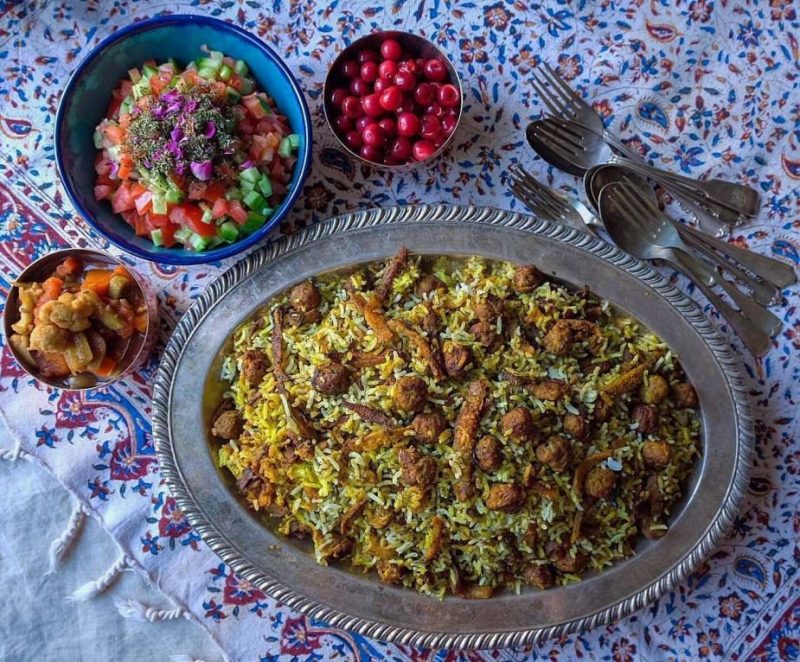
Shirazi cuisine emphasizes fresh herbs, grilled meats, and rice preparations that elevate the grain to an art form. Kalam polo, rice cooked with cabbage and tiny meatballs, appears on family tables throughout the city. Faloodeh, a frozen dessert made from thin starch noodles with rose water and lime juice, originated here centuries ago and still tastes most authentic from vendors near the Shah Cheragh shrine.
Street food matters in Shiraz perhaps more than in other Iranian cities. Ash-e Shirazi, a thick soup containing legumes, noodles, and herbs, is sold from carts in the evenings. Watch how locals eat it—the ritual of adding vinegar, crushing dried mint, and judging the proper temperature before the first spoonful—and you witness cultural transmission happening through purely sensory education.
The Vakil Bazaar, rebuilt during the Zand period but occupying a site used for commerce for millennia, houses sections devoted entirely to spices, another area for copper goods, and separate corridors for textiles. The architecture uses vaulted ceilings with periodic openings that create natural ventilation and lighting, turning what might be merely a shopping district into an experience of moving through carefully controlled space where temperature, light, and sound shift as you pass from one section to another.
Why Shiraz Matters Now
Iran tourism faces challenges that need no elaboration—political complexities, media narratives, and practical obstacles that make casual visits unlikely. Yet Shiraz persists as a destination precisely because it offers something increasingly rare: a major historical city that has not yet transformed itself entirely into a museum for foreign consumption. Daily life continues around and through the monuments. School groups sketch architectural details at Persepolis. Families picnic in the gardens where Qajar princes once entertained. Poetry still matters in a way it does not in most contemporary cities.
This creates a particular kind of travel experience—one requiring more effort to arrange, but offering returns measured not in photographs collected but in understanding expanded. Shiraz asks visitors to work slightly harder, to learn a few phrases, to accept that not everything will be immediately accessible or comprehensible. In exchange, it provides access to a cultural tradition that has maintained continuity across millennia while also adapting, incorporating, and transforming outside influences into something distinctively its own.